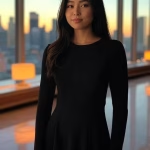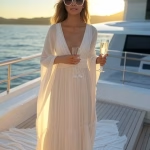
In the shimmering undercurrents of high-society circles, a subtle shift is unfolding—one that’s rewriting the rules of aspiration itself. We’ve noticed a departure from the ostentatious displays that once defined luxury lifestyles, giving way to something more understated, almost elusive. This is the era of *quiet luxury*, where true affluence whispers rather than shouts. For sugar babies navigating the intricate dynamics of their world, this trend isn’t just a fashion statement—it’s a strategic evolution, blending seamlessly with the aspirational ethos that propels their journeys.
The concept of stealth wealth has roots in timeless elegance, but it’s surging now amid a cultural backlash against excess. Think of the pared-back wardrobes in shows like Succession, where characters exude power through minimalist cashmere and unbranded leather goods. We’ve seen this mirrored on social media platforms, with TikTok’s #quietluxury tag amassing over 500 million views in the past year alone, according to platform analytics. Celebrities like Sofia Richie have become unwitting poster children, their understated bridal looks sparking conversations about the allure of subtlety in a world saturated with logos.
But beyond the surface aesthetics lies something far more profound: **a fundamental reimagining of value itself**. In an era where authenticity has become the ultimate currency, quiet luxury represents the intersection of discernment and discretion—qualities that resonate deeply within the evolving economics of sugar dating.
The allure of understatement
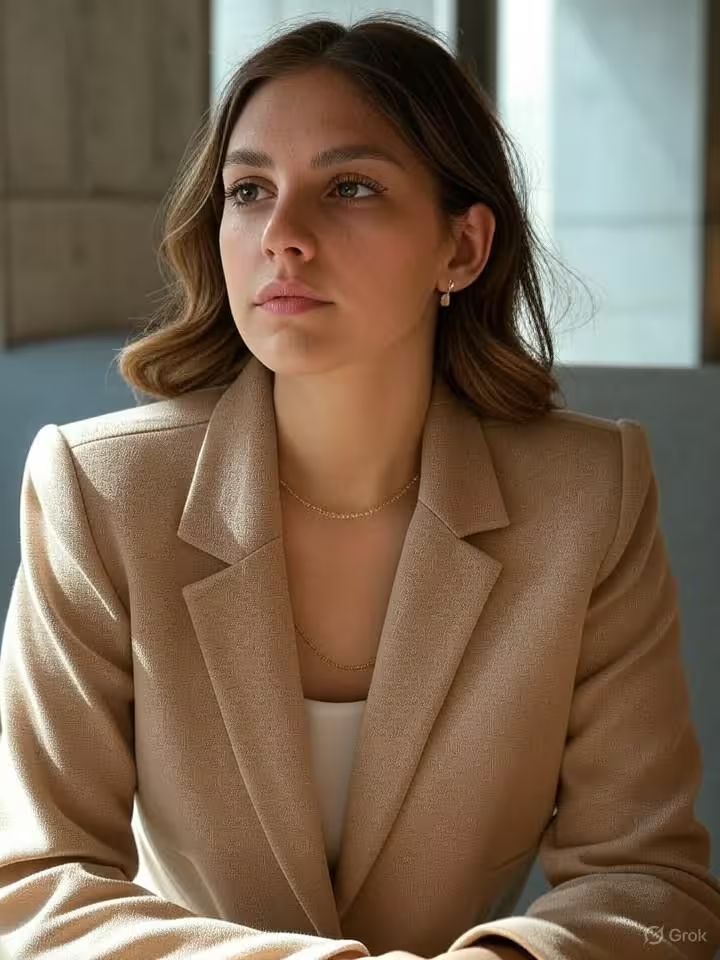
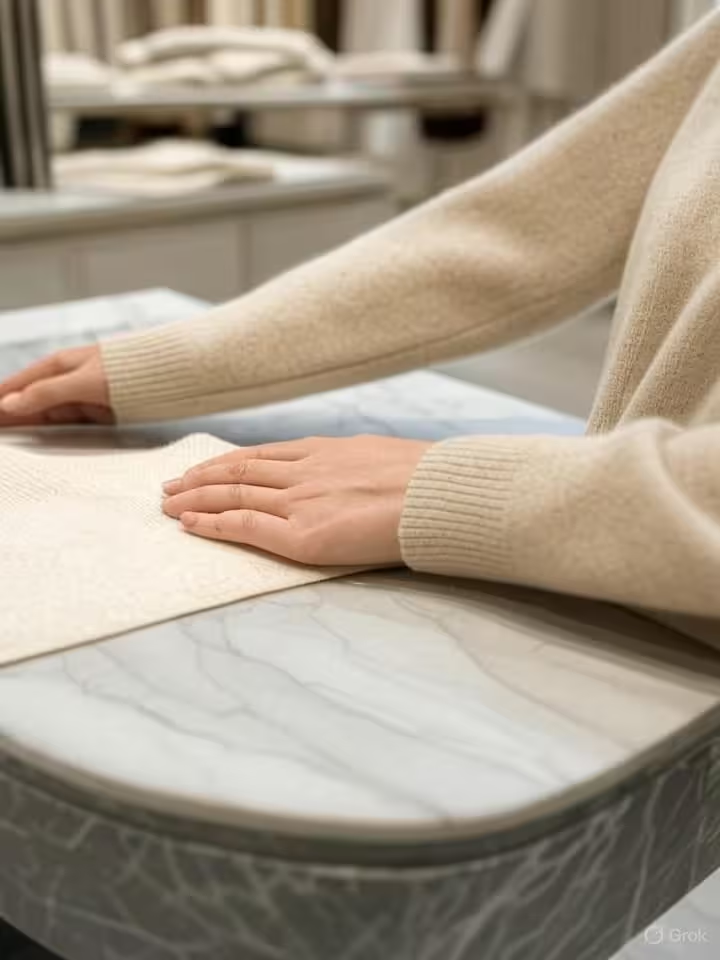
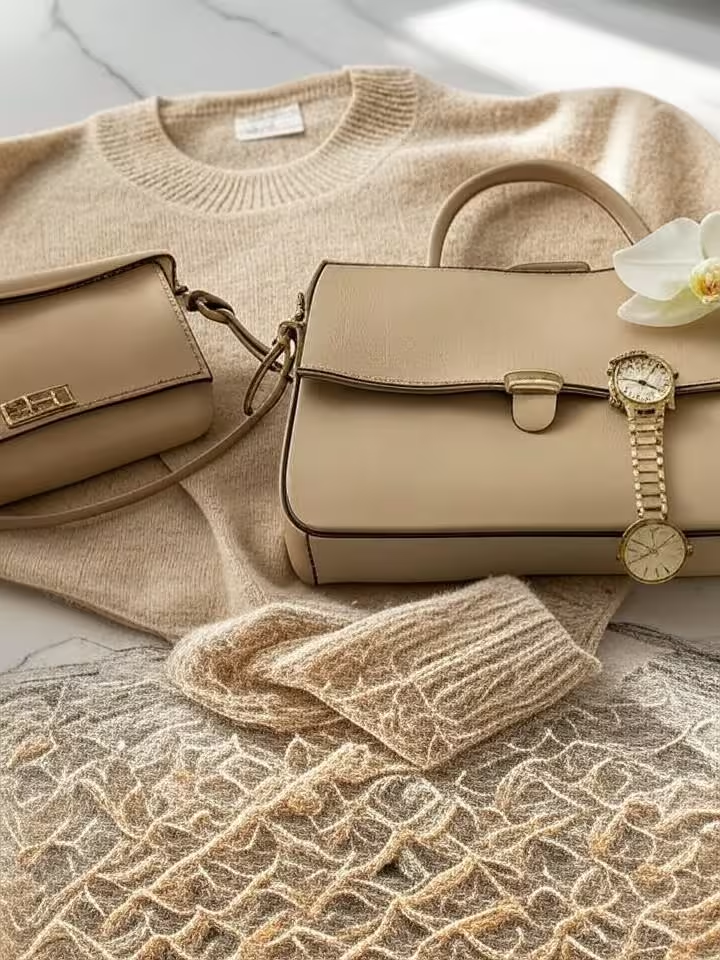
What’s more interesting is how this trend resonates within the sugar baby community. No longer is the narrative dominated by flashy acquisitions; instead, there’s a pivot toward pieces that signal discernment without screaming wealth. A sugar baby might opt for a **Loro Piana sweater** over a monogrammed designer bag, choosing items that blend into everyday sophistication. This isn’t about hiding affluence—it’s about curating an image of effortless poise, one that aligns with the zeitgeist of authenticity in an age of performative excess.
As one sugar baby in her late twenties shared with us anonymously, “It’s like wearing a secret. The right people notice the quality, the cut, the fabric—without me having to point it out. It makes conversations deeper, more genuine.” Her sentiment echoes a broader observation: in arrangements where mutual respect and intellectual connection often underpin the dynamic, quiet luxury fosters a sense of equality, diminishing the overt power imbalances that bolder displays might amplify.
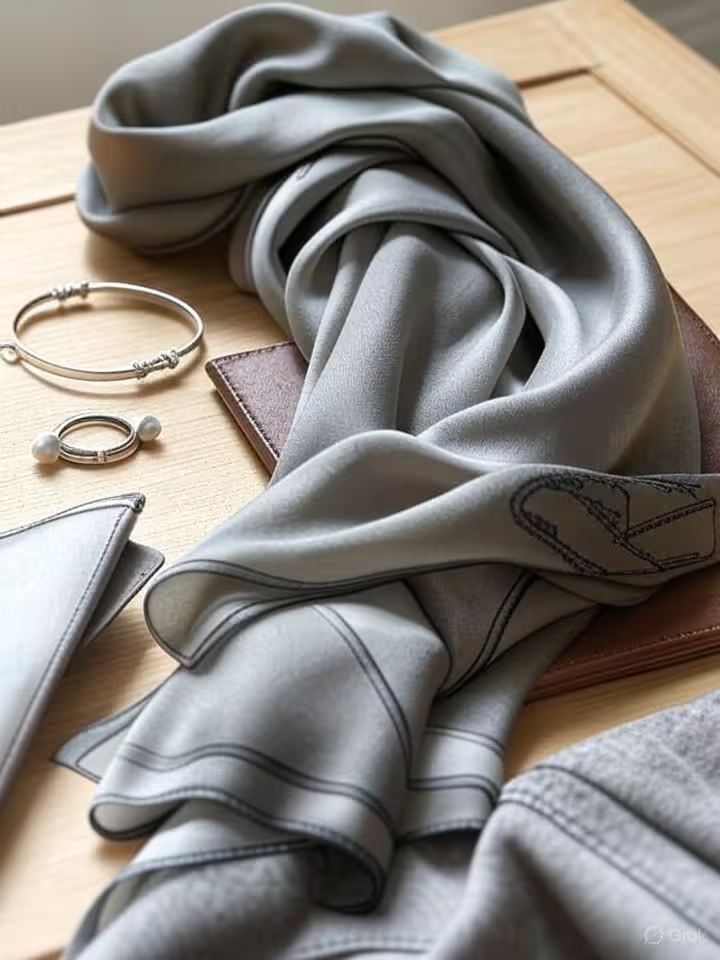
Data from luxury market reports underscores this shift. A 2023 study by Bain & Company noted a 15% increase in sales of “no-logo” high-end apparel, suggesting consumers—and by extension, those in aspirational lifestyles—are gravitating toward timeless investments over transient trends. For sugar babies, this translates to wardrobes built on foundational pieces: a perfectly tailored blazer from The Row, or Hermès scarves that double as heirlooms. It’s a form of **cultural capital**, where knowledge of these subtle markers becomes a quiet badge of belonging.
The shift extends beyond personal preference. Sociologist Thorstein Veblen, who coined the term “conspicuous consumption” over a century ago, might find today’s quiet luxury movement a fascinating inversion of his theory. Where once the wealthy displayed status through visible extravagance, the new elite signal their position through educated restraint. As fashion historian and author Dana Thomas noted in her analysis of luxury consumption patterns, “True luxury today is about knowing, not showing. It’s the ultimate insider knowledge.”
The psychology of subtle signaling
Beneath the surface of this aesthetic shift lies a sophisticated understanding of social dynamics. Quiet luxury operates on what psychologists call **”in-group signaling”**—a form of communication that’s invisible to outsiders but instantly recognizable to those within the same social sphere. For sugar babies, this creates a unique advantage: the ability to navigate multiple worlds with grace.
“I can walk into a board meeting or a charity gala and belong completely,” explains a 32-year-old sugar baby who works in finance. “The Cartier Tank watch on my wrist doesn’t scream ‘sugar baby’—it says ‘professional woman who values timeless design.’ That ambiguity is powerful. It allows me to write my own narrative.”
This strategic ambiguity reflects broader trends in how educated women are approaching sugar dating—as a complement to, rather than replacement for, their professional identities. The quiet luxury aesthetic facilitates this integration, allowing for seamless movement between different aspects of life without the jarring visual discontinuity that conspicuous consumption might create.
Navigating social spheres with subtlety
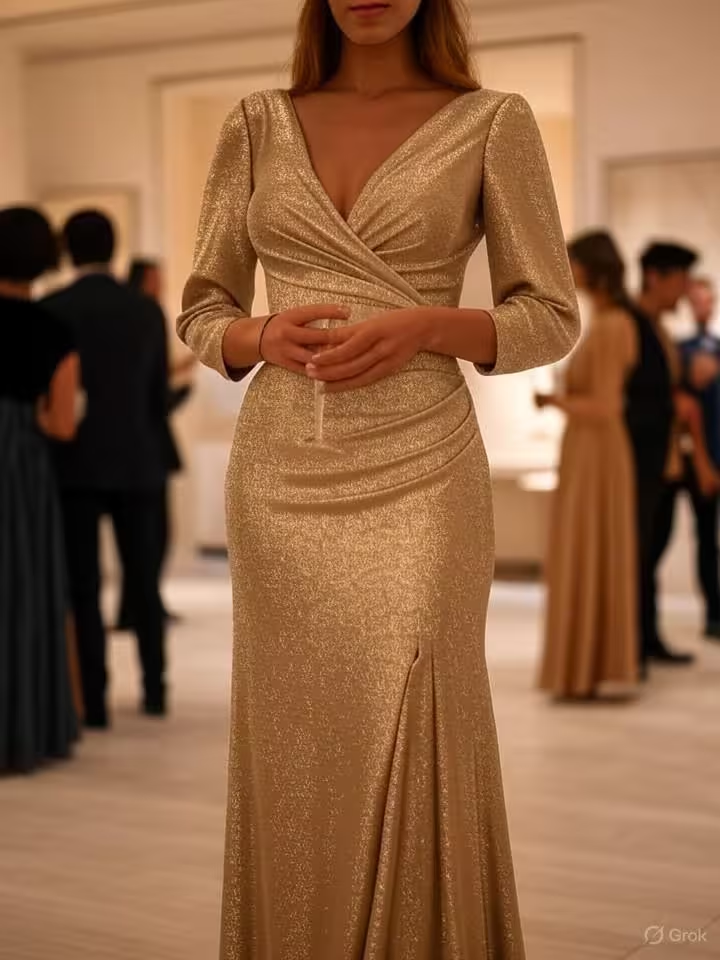
But here’s where it gets fascinating: quiet luxury extends beyond attire into the very fabric of social interactions. We’ve observed sugar babies leveraging this trend to navigate elite events with a grace that turns heads without demanding attention. Picture a gala where logos are absent, and instead, the room hums with the soft rustle of high-thread-count linens and the gleam of vintage watches passed down through generations. In such settings, the sugar baby embodies a modern archetype—poised, enigmatic, and utterly self-assured.
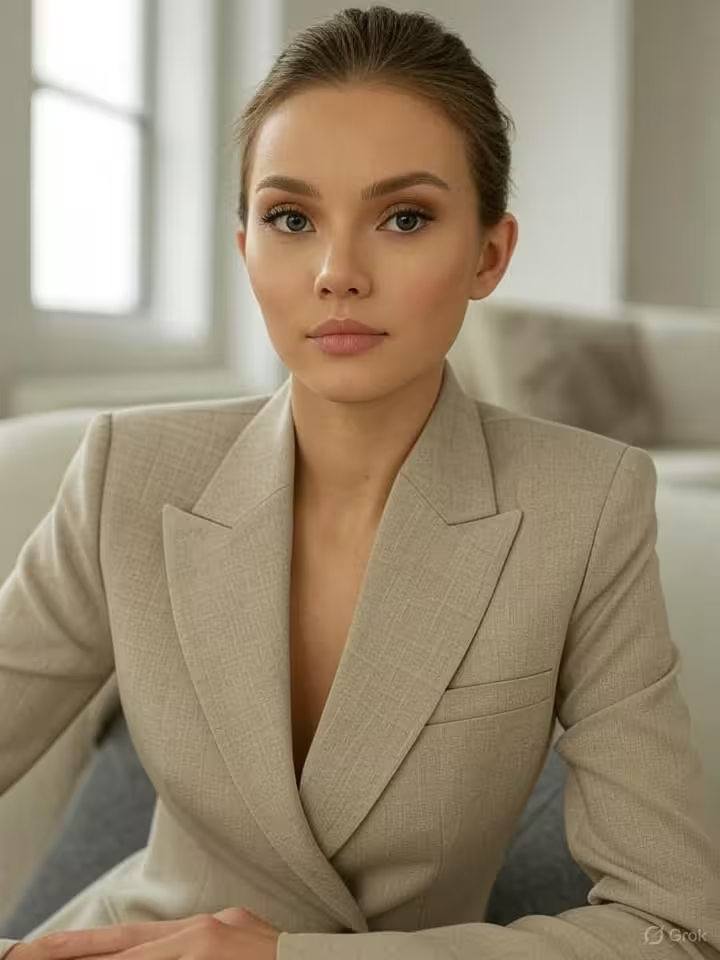
References to this vibe abound in current pop culture. The understated opulence in films like the Talented Mr. Ripley series whispers of a bygone era, yet feels strikingly contemporary. On Instagram, influencers in the lifestyle niche post cryptic stories from private jets or secluded villas, captioning them with vague allusions to “serene escapes” rather than geotags. This **digital discretion** mirrors the sugar baby’s approach: sharing just enough to inspire intrigue, but never enough to invite scrutiny.
The reality, however, is that stealth wealth serves as a shield in an increasingly voyeuristic world. With privacy concerns amplified by data breaches and social media scandals, adopting a low-key luxury profile allows for greater personal security. One anonymous source, a sugar baby in her thirties based in New York, confided, “Flashy posts used to be my thing, but now? It’s about protecting the magic. Quiet luxury keeps the focus on real connections, not public perceptions.” Her words highlight a cultural pivot toward introspection, where the external trappings of success give way to internal fulfillment.
This evolution mirrors broader societal trends. According to Dr. Elizabeth Currid-Halkett, author of The Sum of Small Things: A Theory of the Aspirational Class, modern status symbols have shifted from material goods to intangible experiences and knowledge. “Today’s elite signal their status through cultural capital—organic food, education, travel to obscure destinations—rather than Hermès bags,” she observes. For sugar babies, this insight proves invaluable: it’s not the price tag that matters, but the story behind the acquisition.
The economics of investing in discretion
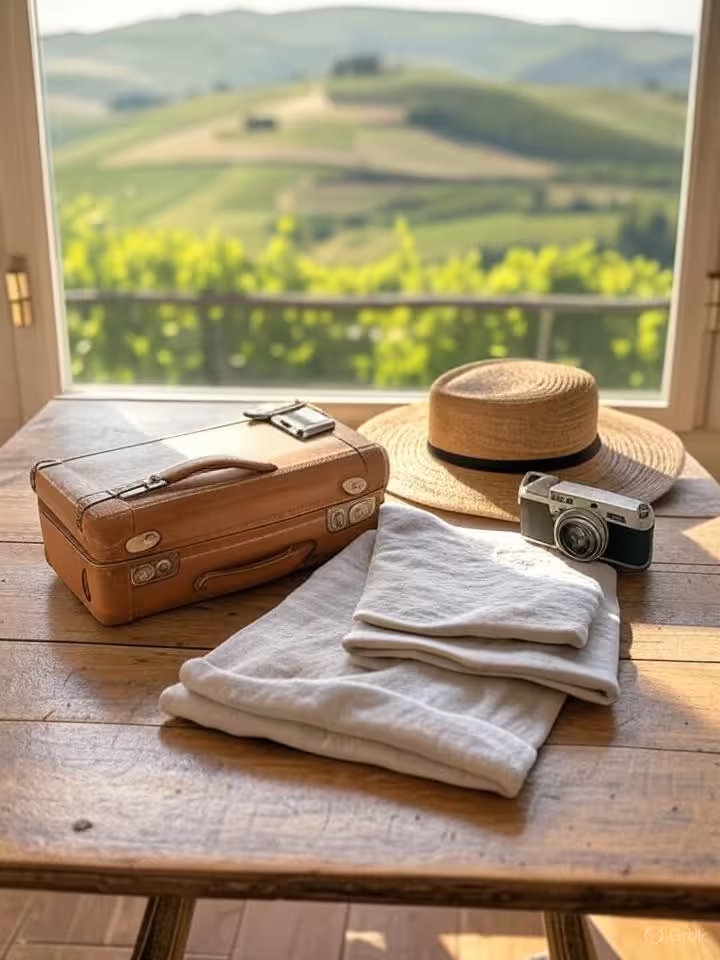
Delving deeper, economic factors play a pivotal role. Amid fluctuating markets, with global luxury spending projected to reach $1.5 trillion by 2025 per McKinsey insights, there’s a growing emphasis on **value retention**. Quiet luxury items, often crafted from superior materials with minimalist designs, appreciate over time, offering sugar babies a savvy way to build personal assets. It’s not uncommon to hear stories of vintage Chanel pieces or artisanal jewelry being acquired through arrangements, then cherished as investments rather than mere adornments.
“My sugar daddy introduced me to the concept of ‘forever pieces,'” shares a 26-year-old graduate student from Los Angeles. “Instead of trendy items that’ll be outdated next season, we focus on classics: a Rolex Datejust, a Bottega Veneta leather tote, Manolo Blahnik pumps in neutral tones. These things hold their value, sometimes even increase. It’s taught me to think long-term, to see luxury as portfolio diversification rather than instant gratification.”
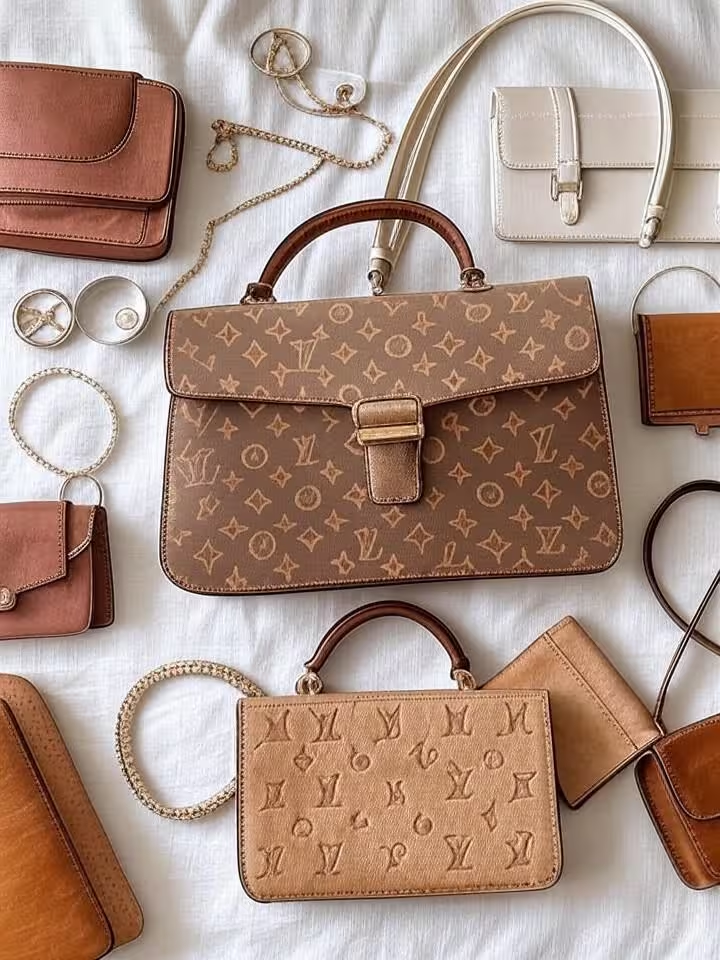
This investment mindset represents a maturation of the sugar baby archetype. Rather than the stereotype of frivolous spending, we’re witnessing a generation that approaches arrangements with **entrepreneurial sophistication**. They understand that quiet luxury items can be liquidated if needed, providing financial security beyond the arrangement itself. Vintage Hermès bags, for instance, have outperformed the S&P 500 over the past decade, according to luxury resale data from platforms like Rebag and Vestiaire Collective.
The strategic accumulation of such pieces creates what economists might call “portable wealth”—assets that transcend geographic boundaries and economic volatility. For sugar babies with international lifestyles or uncertain futures, this portability offers both practical and psychological security.
Wellness, minimalism, and the holistic luxury lifestyle

We’ve also spotted this trend intersecting with wellness culture. The minimalist aesthetic aligns with the clean-living movement popularized by figures like Gwyneth Paltrow, where simplicity equates to sophistication. For sugar babies, this means incorporating quiet luxury into daily rituals—think bespoke skincare from **La Mer**, enjoyed in private, or custom-blended teas from rare estates. It’s a holistic embrace, where luxury permeates life without overwhelming it.
This wellness integration extends beyond products to experiences. Private yoga sessions in Tulum. Meditation retreats in Bali. Organic, farm-to-table dining at exclusive venues. These experiences don’t photograph well for Instagram in the traditional sense—there are no obvious status markers—but they represent a deeper form of luxury: **time, attention, and intentional living**.
“The shift from ‘things’ to ‘experiences’ has been liberating,” explains a 29-year-old sugar baby who recently completed a silent meditation retreat. “My arrangement used to be about shopping trips. Now it’s about personal growth. We take cooking classes with Michelin-starred chefs, attend intimate gallery openings, travel to wine regions most people can’t find on a map. The luxury is in the exclusivity of the experience, not in broadcasting it.”
This experiential turn reflects insights from positive psychology research. Studies by Dr. Thomas Gilovich at Cornell University have consistently shown that experiences provide more lasting happiness than material purchases. For sugar babies embracing quiet luxury, this research validates what they’ve intuitively understood: the most valuable gifts aren’t always tangible.
Democratizing discretion: accessibility meets aspiration
Yet, the fascination lies in quiet luxury’s democratizing potential. While once the domain of old money, this aesthetic is now accessible through savvy sourcing—think resale platforms buzzing with pre-loved Brunello Cucinelli knits. This opens doors for sugar babies from diverse backgrounds, allowing them to partake in the trend without the barriers of traditional gatekeeping. As cultural observers, we see this as a reflection of broader societal changes, where inclusivity meets exclusivity in unexpected ways.
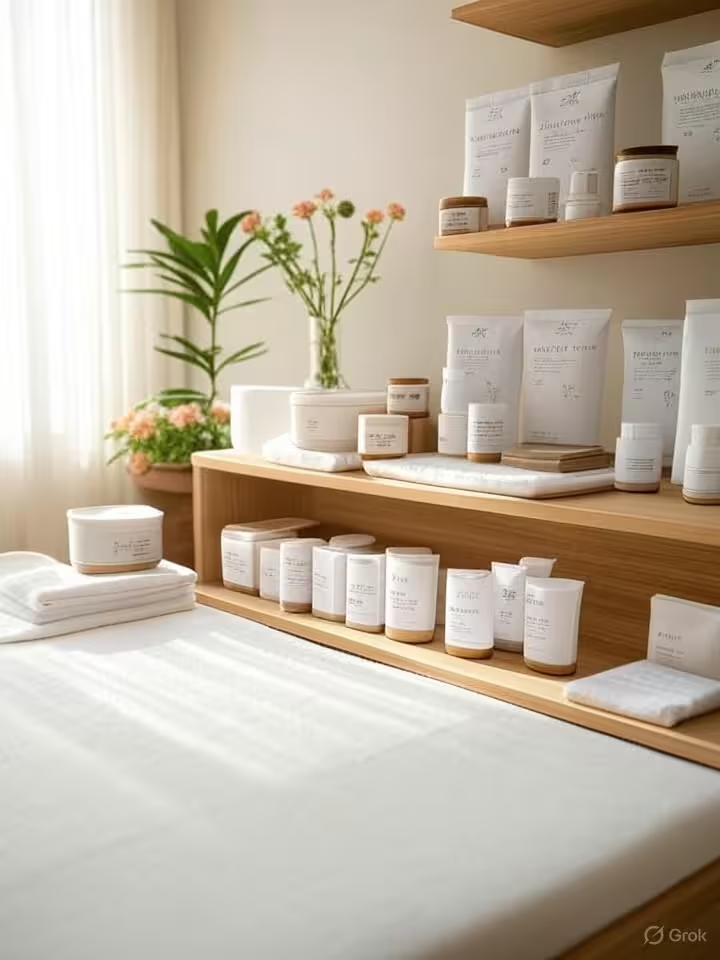
The resale luxury market has exploded, with platforms like The RealReal, Vestiaire Collective, and Rebag reporting year-over-year growth exceeding 30%. For sugar babies, these platforms offer entry points into quiet luxury at accessible price points. A gently used Max Mara coat, originally $3,000, might sell for $800—still a significant investment, but one that builds a wardrobe foundation rather than depleting resources.
“I’ve learned to shop like an archivist,” says a 24-year-old sugar baby pursuing her master’s degree. “I know which brands hold value, which silhouettes are timeless, which fabrics age well. It’s become its own form of education—understanding craftsmanship, recognizing quality construction, appreciating design history. This knowledge is as valuable as the pieces themselves.”
This educational component transforms consumption into connoisseurship. Rather than passive recipients of gifts, sugar babies become active curators of their aesthetic identities. They develop expertise in recognizing **Brunello Cucinelli’s signature casual elegance**, distinguishing **Loro Piana’s baby cashmere** from standard grades, or appreciating **The Row’s architectural minimalism**. This knowledge becomes social currency in elite circles where such subtleties matter.
The bigger picture: cultural shifts and generational values
Zooming out, the quiet luxury movement among sugar babies reflects generational shifts in how millennials and Gen Z approach wealth and status. Unlike previous generations who embraced conspicuous consumption as aspirational, younger cohorts increasingly value **authenticity, sustainability, and meaning** over mere display.
Research from Pew Research Center indicates that younger generations prioritize experiences and personal growth over material accumulation. They’re more likely to invest in education, travel, and wellness than previous cohorts at similar ages. This value system dovetails perfectly with the quiet luxury ethos, creating a cultural moment where sugar babies aren’t just following a trend—they’re embodying broader societal evolution.
“There’s been a massive shift in what impresses people,” observes a longtime member of the community, now in her mid-thirties. “Ten years ago, showing up with a Birkin bag would have been the ultimate flex. Now? It might read as try-hard, even gauche in certain circles. Today’s power move is effortless sophistication—looking expensive without looking like you’re trying. That’s a much harder feat to pull off, which makes it more valuable as a signal.”
This observation aligns with fashion theorist Georg Simmel’s century-old insights on fashion and class distinction: as status symbols become accessible to wider populations, elites adopt new markers to maintain differentiation. Quiet luxury represents this evolutionary step—a refinement of taste so subtle that it requires cultural education to recognize.
Sustainability as the new status symbol
Looking ahead, the quiet luxury trend shows no signs of fading, particularly as it intersects with sustainability—arguably the defining concern of our era. With sustainability becoming a cornerstone of modern affluence—evidenced by a 20% rise in eco-conscious luxury purchases, as reported in recent industry analyses—sugar babies are at the forefront, choosing brands like **Stella McCartney** for their ethical understated appeal. This alignment with global values adds layers to their personas, positioning them as forward-thinking participants in an evolving landscape.
The convergence of luxury and sustainability represents more than greenwashing—it’s a fundamental reimagining of value. Sugar babies who prioritize vintage pieces, invest in quality over quantity, and support brands with transparent supply chains aren’t just following trends. They’re participating in a broader cultural conversation about responsible consumption and long-term thinking.
“My arrangement has actually made me more conscious about sustainability,” reveals a 27-year-old environmental studies major. “When someone’s investing in you, you want those investments to mean something. I’ve steered away from fast fashion entirely. Every piece in my closet now has a story, a purpose, and longevity. That feels more luxurious than any logo ever could.”
This consciousness extends to other domains. Ethical jewelry sourced from fair-trade suppliers. Furniture from sustainable design houses like Emeco. Even choices about transportation—preferring electric vehicles or carbon-offset travel. These decisions signal values alignment, which in many arrangements proves more important than pure aesthetics.
The art of the invisible upgrade
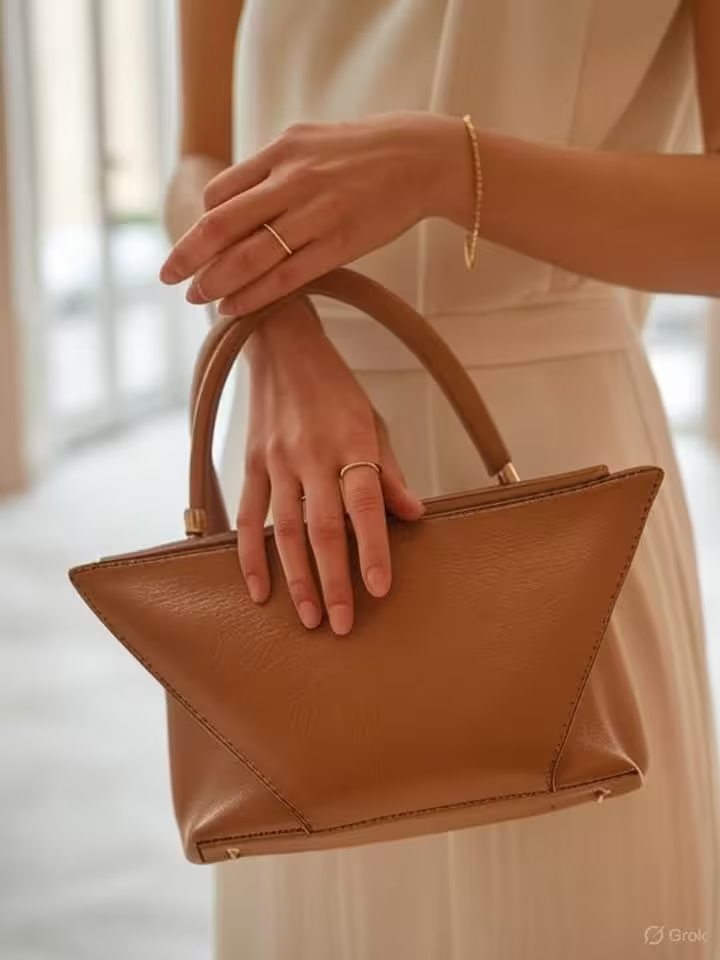
Perhaps the most intriguing aspect of quiet luxury among sugar babies is what we call the **”invisible upgrade”**—improvements to quality of life that others can’t see but that fundamentally transform daily experience. This might mean:
- Upgrading to organic, locally-sourced groceries delivered weekly
- Investing in a high-quality mattress and bedding that ensures restorative sleep
- Maintaining a minimalist wardrobe of perfectly tailored basics rather than a closet overflowing with trend pieces
- Accessing private healthcare or concierge medical services
- Building an emergency fund that provides genuine financial security
These upgrades don’t photograph well. They don’t generate social media engagement. But they represent the truest form of luxury: **elevated daily life quality** that compounds over time. For sugar babies thinking strategically about their arrangements, these invisible investments often provide more lasting value than any handbag or vacation photo.
“The best gift I ever received was three months of sessions with a top nutritionist and personal trainer,” shares one sugar baby. “It didn’t come in a blue box. There was no Instagram moment. But it changed my relationship with my body, my energy levels, my confidence. That’s lasted years beyond the arrangement itself. That’s real luxury.”
What this means for the future of sugar dating
As quiet luxury continues to reshape aspirational aesthetics, we’re witnessing a maturation of sugar dating culture itself. The movement away from transactional displays toward meaningful investments—in experiences, education, personal development, and timeless quality—signals an evolution from sugar dating as purely financial exchange to something more nuanced: **a mentorship-influenced relationship model** where sophistication and discretion are valued above ostentation.
This evolution benefits everyone involved. For sugar daddies, it means partners who understand value beyond price tags, who can navigate elite social situations with grace, and who view arrangements as mutual growth opportunities rather than shopping sprees. For sugar babies, it means building genuine cultural capital, developing refined taste, and accumulating assets that serve them long after any individual arrangement ends.
We’re also seeing this reflected in how newer members approach the lifestyle. Rather than entering with expectations of immediate material gratification, many now view arrangements through a longer lens—as opportunities to access experiences, networks, and knowledge that would otherwise remain inaccessible. This patient, strategic approach aligns perfectly with quiet luxury’s emphasis on timeless value over trendy consumption.
The bottom line
In essence, stealth wealth is redefining what it means to live luxuriously in the sugar world. It’s a quiet revolution, one that prioritizes **substance over spectacle**, inviting those within it to craft narratives of refined ambition. As we continue to watch this unfold, it’s clear that the most compelling luxuries are those that speak softly, yet resonate profoundly.
The sugar babies embracing this aesthetic aren’t abandoning luxury—they’re redefining it on their own terms. They’re choosing investments over impulses, experiences over exhibitions, knowledge over logos. In doing so, they’re not just following a trend; they’re leading a cultural shift that challenges everything we thought we knew about aspiration, affluence, and authenticity in the digital age.
Perhaps the most radical aspect of this movement is its inherent contradiction: by choosing not to display wealth, these women are making the boldest statement of all. They’re declaring that their worth isn’t determined by what others can see, that true luxury needs no audience, and that the most sophisticated power move is no move at all—just quiet, undeniable presence.
As we look toward the future, one question lingers: In a world increasingly designed for display, what does it mean to choose discretion? For sugar babies mastering the art of quiet luxury, the answer seems clear—it means claiming a form of power so refined, so assured, that it needs no validation beyond itself. And in a culture obsessed with visibility, that invisible confidence might just be the ultimate luxury of all.